
AI-generated image
By Stephanie Kazmer
At FundEDU, I am fortunate to spend my time helping Pennsylvania businesses and individuals understand and use tax-credit programs to support scholarships for local K–12 students, and that work has taught me something simple: a program can be financially attractive and still fall short if people cannot easily understand or use it. It is through that lens that I want to approach, and reflect on, the new Federal Scholarship Tax Credit.
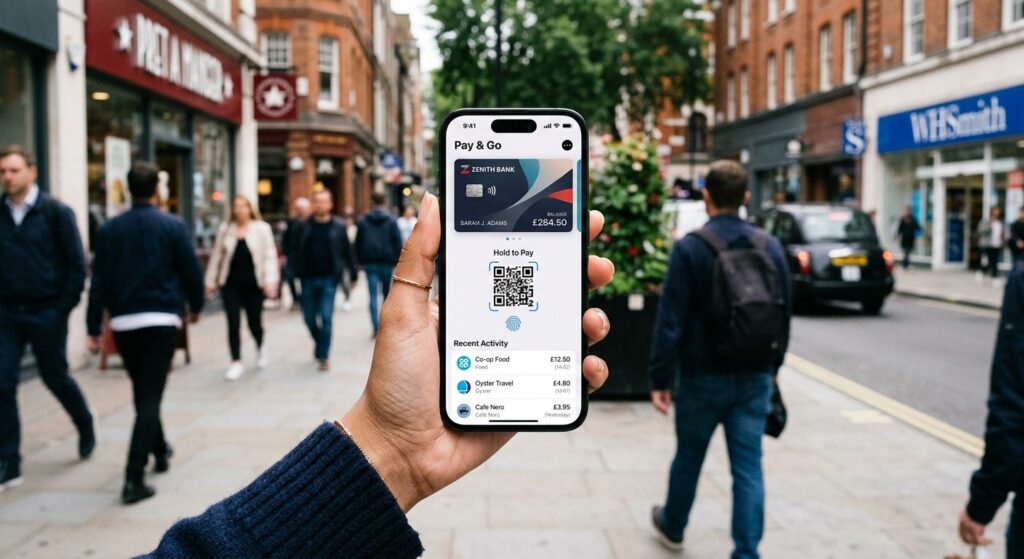
One of the highlights of Treasury’s recently released proposed rules is the introduction of several ways for Scholarship Granting Organizations (SGOs) to distribute scholarships. For instance, expenses such as tuition, fees, and others charged by a school could be paid directly from SGO to school. In the same way, other verified providers may also be paid directly, or families can be reimbursed after submitting required documentation. Lastly, Treasury clarified that SGOs may also use digital wallets to manage approved expenses and payments.
Ultimately, those options may seem like insignificant administrative details, but for families they can make the difference between a scholarship that is technically available and one that is actually practical. Take the example of a family facing a $600 tutoring bill. One allowable system requires the parent to pay the full amount, save the receipts, submit it to the SGO, and wait an indeterminate amount of time for reimbursement. Another system may allow the approved tutoring provider to invoice the SGO, and be paid directly. At the end of the day, the same student is receiving the same educational support, but the financial impact on the family is very different.
The reimbursement model has been used for other federal programs, such as the Emergency Assistance to Non Public Schools Program (EANS), and theoretically could be used for this program as well. However, such an approach could significantly restrict the amount of families that are able to participate in the FSTC, because it inherently requires that scholarships be awarded to households that can comfortably cover expenses up front. For families seeking scholarship assistance specifically because several hundred dollars is difficult, if not impossible, to absorb, this sort of model would be incredibly prohibitive. After all, a scholarship program isn’t just about if money has been connected or awarded. Instead, a scholarship program is only effective if the intended recipients are actually able to receive, and use, those scholarships.
That is why I am incredibly happy that the proposed rules give SGOs a number of different ways to reduce that friction, including direct vendor payments or even a digital wallet framework. If these methods take priority, they could allow approved expenses to be managed without requiring a family to bear any financial burden.
With that in mind, as SGOs and schools build these systems, it is my hope that those leaders spend as much time thinking about and planning for the family experience as they do about compliance and avoiding fraud. After all, the parents in our communities should be able to understand how the scholarship works, what they may be expected to pay, and most importantly; who to call if something doesn’t go as planned!
This sort of impact focused thinking is something that I have found incredibly useful when engaging prospective donors here in Pennsylvania, because, let’s face it, almost no one will be drawn to the FSTC conversation because they are excited about tax-credit mechanics. What they do care about is what their participation can do for a district, school, a student, or even the community at large, over the course of years or possibly decades.
Ultimately, I believe, as we all do here at FundEDU, that the Federal Scholarship Tax Credit has real potential to connect taxpayers, schools, and families in a way that can change hundreds, thousands, or if not even hundreds of thousands of lives across the US. However, in order to make that opportunity real will depend on whether or not the scholarship award and distribution process actually works for families on the receiving end.