
How do Pennsylvania private schools raise more through EITC fundraising?
Most private schools in Pennsylvania already know about the Educational Improvement Tax Credit (EITC). Far fewer are getting everything out of it.
The program puts state tax dollars to work for scholarships at your school, but the money only shows up if someone goes and finds the businesses and individuals willing to redirect it. That part, the fundraising, is where most schools fall short.
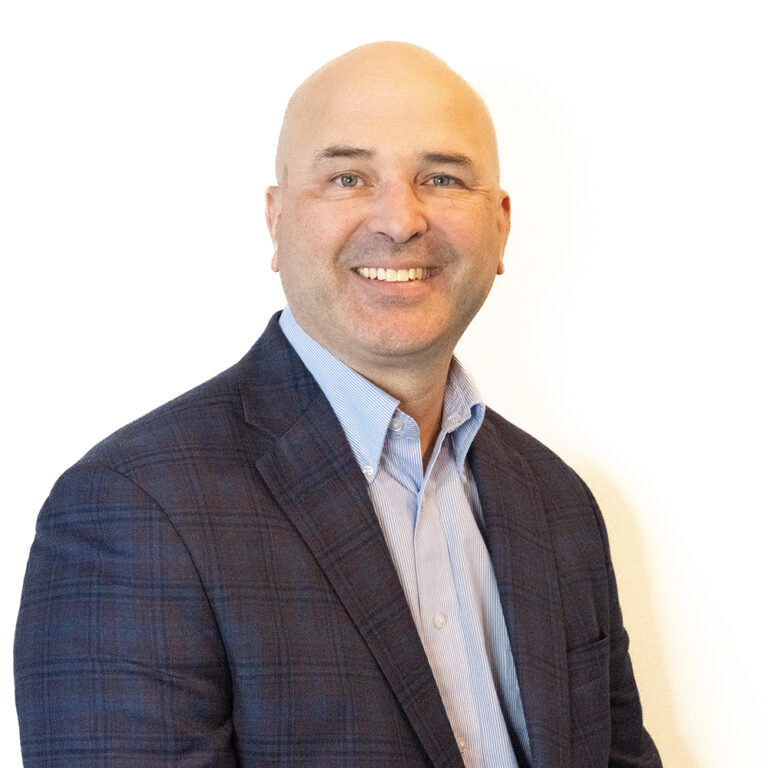
I'm Jeff Wilson, founder of FundEDU. I started FundEDU in 2017, as my children's school, St. Thomas the Apostle in Bedford, faced closing. It closed in 2018. Since then our whole job has been helping schools turn tax-credit programs like EITC into real, recurring scholarship dollars.
What is EITC fundraising for a private school?
Under Pennsylvania's EITC program, businesses (and individuals who join through a special purpose entity) contribute to an approved scholarship organization and receive a state tax credit in return. Commit for two years and the credit is 90% of the contribution. Those dollars fund scholarships for eligible students at participating private schools.
For the donor, it means redirecting state tax they already owe to a school in their own community. For your school, it means scholarship dollars that don't come out of your operating budget or your annual fund. EITC fundraising is the work of finding those donors, getting them committed, and making sure the paperwork and the money actually arrive.
Where do most schools leave EITC money on the table?
They wait for donors to find them
A letter to parents and a line in the newsletter reach the same few families every year. The businesses and high-liability individuals in your county who could give the most never hear about it.
Nobody owns the follow-up
Joinder forms, commitment letters and check chasing take steady attention. When that falls on an already-busy development office, commitments slip and checks go missing.
Donors aren't renewed
A donor who gave last year is the easiest gift you'll get this year, but only if someone calls before they commit their credits somewhere else.
The school doesn't know its number
Without knowing how many students could qualify and what the school could realistically raise, it's hard to set a goal or know when you're falling short.
How does FundEDU run EITC fundraising for private schools?
Our approach is simple: we don't wait for donors to find you, we find them. Our team identifies businesses and individuals with Pennsylvania tax liability in and around your community, contacts them on your school's behalf, and walks them through joining. We run the special purpose entities that individual donors join, so their credits come through at 90%.
From there, we handle the work most development offices don't have time for: joinder forms, commitment tracking, renewals and following every check until it lands. Your school gets a regular report showing who has committed, what has been received and what's still outstanding.
Does EITC fundraising work with the new federal tax credit?
Yes, and it's worth planning for both now. The federal scholarship tax credit starts January 1, 2027, in states that opt in. It works very differently from Pennsylvania's EITC, with smaller individual credits and a much broader base of potential donors. Schools that have a strong state EITC program in place are in the best position to add the federal program alongside it. Our free readiness guide walks through the six steps private schools are taking to get ready.
What could EITC fundraising raise for your school?
Every school's number is different. It depends on your enrollment, how many of your families could qualify and how many donors are in your area. Book a 20-minute call and I'll build your school's number for you within 24 hours: what your school could realistically raise through EITC, and which steps come next.
FundEDU does not provide tax advice. Donors should talk with their tax adviser about their own situation. Program details, including credit percentages and caps, are set by the Pennsylvania Department of Community and Economic Development and can change.