
Minnesota
FSTC status in Minnesota
Governor Tim Walz (D) announced on March 24, 2026 that Minnesota will not opt in to the Federal Scholarship Tax Credit. He also proposed ending nonpublic pupil aid if the state opts in. Governor has declined to participate Minnesota's governor has declined to participate in the Federal Scholarship Tax Credit at this time. This decision can change with new leadership or sustained advocacy, so your voice still matters. Build My Advocacy Kit
What you can do now
1. Contact your governor
The governor must file IRS Form 15714 to opt in. Use our advocacy kit to send a personalized letter.
2. Rally your legislators
State legislators can pressure the governor to act. Build an advocacy kit with letters to your senators and representatives.
3. Organize your community
Recruit other school leaders, parents, and community members, and attend education committee hearings.
4. Prepare your school
Identify eligible families, prepare documentation, and understand SGO requirements so you are ready when your state opts in.
The latest from Minnesota
Governor Walz announced Minnesota will not opt in to the FSTC and proposed ending nonpublic pupil aid if the state participates. March 24, 2026 · MPR News Read Full Article
Help Minnesota opt in to the FSTC.

Minnesota
DeclinedGovernor Tim Walz (D) announced on March 24, 2026 that Minnesota will not opt in to the Federal Scholarship Tax Credit. He also proposed ending nonpublic pupil aid if the state opts in.
Governor
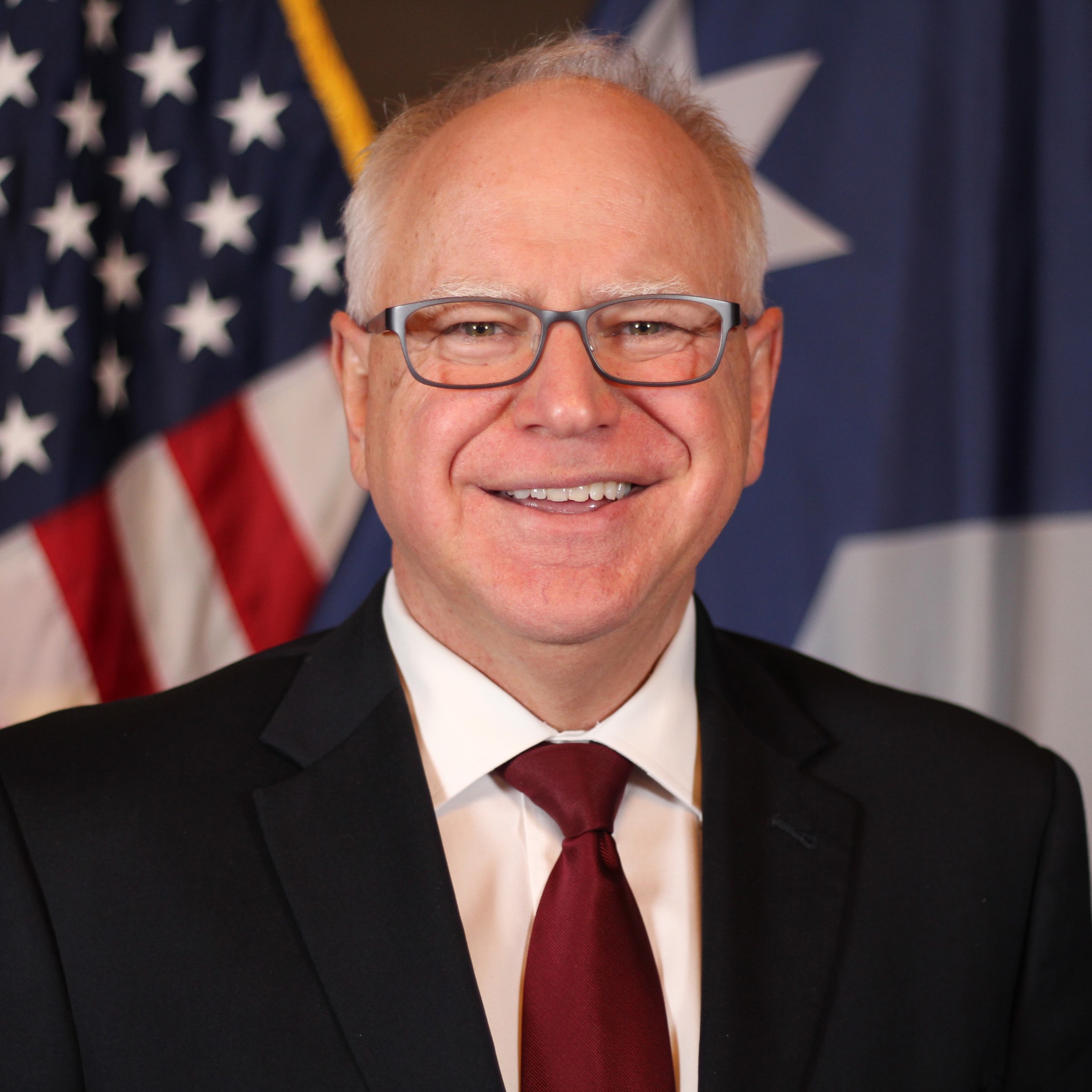
Tim Walz (D)
Our agencies are still reviewing the bill and all of its impacts.Governor Walz's office spokesperson, July 2025
State Context
Existing Programs
- K-12 Education Tax Deduction
- K-12 Education Tax Credit (Income-Limited)
- Charter Schools (First State to Authorize)
State-Specific Context
Minnesota enrolls approximately 70,000 students in about 500 private schools, with concentrations in the Minneapolis-St. Paul metro area, Rochester, and St. Cloud. Minnesota was the first state to enact a charter school law (1991) and has long been considered a pioneer in education reform. The state offers a tax deduction and tax credit for education expenses (including private school tuition), making it one of the few states with any tax benefit for private school costs. The tax credit is income-limited and covers a range of educational expenses.
Advocacy Angle
Minnesota already recognizes private school expenses through its education tax deduction and credit, showing precedent for using tax policy to support school choice. The FSTC builds on this foundation with a more substantial scholarship mechanism funded by federal credits.
Recent News
Governor Walz announced Minnesota will not opt in to the FSTC and proposed ending nonpublic pupil aid if the state participates.
Last verified: 2026-07-30